
Homelessness becoming more visible across Gippsland


Homelessness becoming more visible across Gippsland
RISING rents, cost-of-living pressures and family violence are placing increasing numbers of people at risk of homelessness, with rural communities such as Yarram facing their own housing challenges.
Homelessness is becoming increasingly visible across Gippsland, with the number of people sleeping rough increasing by 32 per cent in 2025 compared with 2023/24.
The rise is placing additional pressure on homelessness support services, which are already struggling to meet growing demand.
While homelessness is often associated with larger cities, the issue is also affecting regional communities, where limited rental availability, rising housing costs and fewer support options can make finding a safe and secure home particularly difficult.
Cost-of-living pressures and increasing rents are pushing even working families into vulnerable situations, while family violence remains another significant contributor to housing insecurity across Gippsland.
One option for people struggling to secure affordable accommodation is social housing.
Social housing provides long-term rental accommodation for people who face barriers accessing safe and suitable housing in the private rental market. This includes people on low incomes, those experiencing or at risk of homelessness, victim-survivors of family violence, people with disabilities and people experiencing mental ill health.
There are two main types of social housing. Public housing is owned and managed by the state government, while community housing is provided by not-for-profit organisations.
Unlike private rentals, social housing rents are generally capped at 25 to 30 per cent of household income, helping ensure accommodation remains affordable as a person's financial circumstances change.
Homes are allocated according to household needs and can range from single-bedroom accommodation to larger family homes. Social housing is available across metropolitan Melbourne and regional Victoria.
Social housing tenants have the same protections as other renters under the Residential Tenancies Act 1997.
Here in Yarram the ageing population and changing household demographics highlight the importance of having suitable and affordable housing available locally.
At the 2021 Census, Yarram had a population of 2,136, with people aged 70 and over accounting for 24.3 per cent of residents. Single-person households were the most common household type, making up 54.6 per cent of households.
Social housing accounted for 4.7 per cent of Yarram's housing stock.
Separate 2025 population figures recorded an estimated resident population of 5,587 and a median age of 54.8 years. These figures relate to the broader Yarram and surrounding districts.
For people experiencing homelessness or housing insecurity in the Yarram district, access to local support services can be critical.
Local support is available through Yarram and District Health Service (YDHS) offers a homelessness support service to help people access emergency, short-term or longer-term accommodation.
The service forms part of the health service's Primary Health Care department, which also provides a range of social work and welfare assistance.
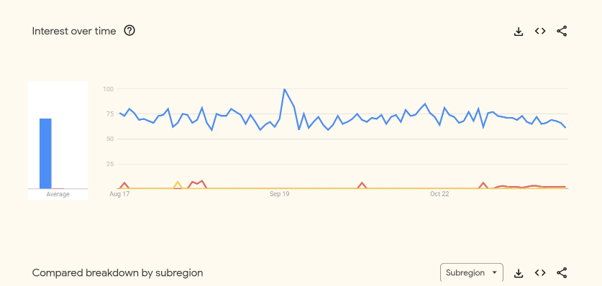
Google trends highlight the areas people who are struggling are looking for answers. They are search for social workers, for affordable housing.
Many have turned to YouTube to access more information according to Google trend data we were able to access.
Social workers can support people dealing with financial hardship, family violence, addiction, anxiety, sadness and other personal challenges. They can also provide advice to carers and assist people experiencing difficulties associated with ongoing health conditions, including declining decision-making and self-care abilities.
Onsite counselling is available through the Royal Flying Doctor Service Wellbeing Program for adults living in Yarram and surrounding districts. The service provides an opportunity to discuss personal issues and concerns, including low mood, relationship difficulties and anxiety. A referral from a GP is required.
Financial assistance may also be available to local residents experiencing crisis or hardship, subject to assessment and available funding.
As homelessness becomes more visible across Gippsland, the availability of affordable housing and accessible local support services will remain important issues for rural communities.
For people facing housing insecurity, knowing where to turn for help can be an important first step towards finding a safe and stable place to live.


